Why Commercial Termite Control Requires Specialized Treatment Plans
Commercial termite control requires specialized treatment plans, and local service providers can assess your property’s unique needs to effectively eliminate and prevent infestations.
Understanding why commercial termite control requires specialized treatment plans is essential for property owners seeking effective protection. Unlike residential properties, commercial spaces often feature larger, more complex structures with diverse materials that can attract and harbor termites differently. This complexity makes standard treatments insufficient, emphasizing the need for tailored strategies designed by experienced local contractors who understand the unique challenges of commercial environments. By exploring this topic, property owners can gain insight into how customized treatment plans help ensure comprehensive protection against termite infestations, safeguarding their investments and maintaining the integrity of their buildings.
For those managing commercial properties in the area, recognizing the importance of specialized treatment plans highlights the value of consulting with local service providers who focus on commercial termite control. These professionals are equipped to assess the specific conditions of each property and develop targeted solutions that address the unique needs of larger or more intricate structures. Keeping informed about why such tailored approaches are necessary can help property owners make more informed decisions when it comes to protecting their spaces from termites, encouraging them to explore the options available through experienced local contractors.
- Commercial buildings - when large-scale infestations threaten structural integrity, local contractors develop tailored treatment plans to address the unique challenges of each property.
- Food processing facilities - due to strict sanitation standards, local pros implement specialized termite control methods that prevent contamination while effectively eliminating pests.
- Warehouses and storage units - when extensive storage areas are at risk, service providers design comprehensive treatments that target termites without disrupting operations.
- Office complexes - to protect multiple tenants and shared spaces, local contractors create customized plans that address the specific needs of commercial environments.
- Manufacturing plants - when pest activity could interfere with production, service providers employ specialized treatment strategies suited for complex industrial settings.
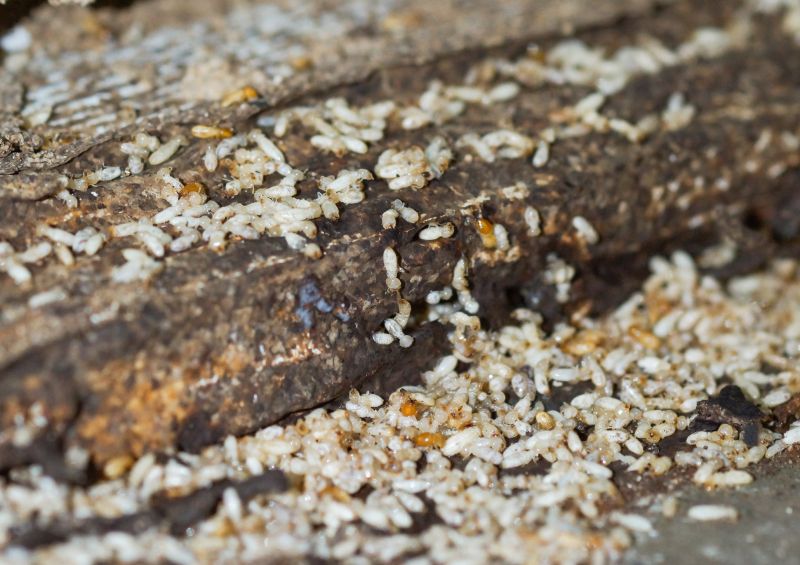


When people search for why commercial termite control requires specialized treatment plans, they are typically looking to understand the unique challenges involved in protecting larger or more complex properties from termite infestations. Unlike residential properties, commercial buildings often feature extensive structures, diverse materials, and complex layouts that demand tailored approaches. These searches reflect a need for solutions that go beyond standard treatments, emphasizing the importance of strategies designed specifically for commercial environments. Homeowners and property managers want to ensure that the treatments they choose are effective, thorough, and capable of addressing the particular risks associated with commercial properties.
Commercial properties that typically come up in discussions about specialized termite control include office buildings, warehouses, retail centers, manufacturing facilities, and multi-unit complexes. These structures tend to have larger footprints and may include features like underground foundations, extensive wood framing, or stored goods that can attract termites. Because of their size and complexity, these properties often require detailed inspection and customized treatment plans that can reach hidden or hard-to-access areas. The goal is to develop a comprehensive approach that minimizes disruption to business operations while effectively eliminating termite colonies and preventing future invasions.
The plans involved in commercial termite control are more intricate than those for residential properties. They often include a combination of soil treatments, baiting systems, and targeted liquid applications designed to address the specific layout and construction materials of each property. These strategies are carefully coordinated to ensure complete coverage, especially in hard-to-reach spaces such as underground foundations or wall voids. Additionally, ongoing monitoring and maintenance are integral parts of these plans to ensure long-term protection. Local service providers with experience in commercial pest management can evaluate the unique needs of each property and design treatment plans that align with those requirements, helping to safeguard valuable assets and maintain a pest-free environment.
Understanding why commercial termite control requires specialized treatment plans highlights the importance of working with experienced local contractors. These professionals recognize the complexities of large-scale properties and have the expertise to develop effective, customized solutions. They bring knowledge of the most appropriate treatment methods, materials, and monitoring techniques to ensure comprehensive protection. For property owners and managers, partnering with local pros means access to tailored services that address the specific risks faced by commercial buildings, ultimately helping to prevent costly damage and disruption caused by termite activity.
Commercial building inspections involve detailed assessments of structures to identify pest activity, requiring similar planning and attention to detail as termite control projects.
Structural pest management services focus on treating pests within building frameworks, sharing techniques and tools used in specialized termite treatment plans.
Wood damage repair projects often require precise identification of pest-related damage, aligning with the expertise needed for effective termite control strategies.
Preventive pest barrier installations involve creating protective treatments around properties, similar to the targeted approaches used in commercial termite treatments.
Moisture management services address conditions that attract termites, paralleling the planning needed for comprehensive treatment plans in commercial settings.
Structural reinforcement projects aim to strengthen buildings against pests, requiring detailed planning and application skills comparable to those in specialized termite control plans.

When evaluating service providers for commercial termite control, it’s important to consider their experience with similar projects. A contractor’s background in handling commercial properties, especially those with unique structural features or specific pest challenges, can indicate their ability to develop effective treatment plans. Homeowners should inquire about the types of commercial properties they have worked on and whether they have encountered situations similar to their own. This helps ensure the selected contractor understands the complexities involved and can tailor their approach accordingly.
Clear written expectations are also a key factor when comparing local contractors. Service providers should be able to provide detailed descriptions of their treatment methods, the scope of work, and any follow-up procedures. Having this information in writing helps prevent misunderstandings and ensures that both parties are aligned on what the treatment plan entails. Homeowners are encouraged to ask for comprehensive proposals or plans that outline the steps involved, so they can make informed decisions and feel confident in the contractor’s approach.
Reputable references and good communication are essential qualities to look for in a service provider. Contractors who can provide references from previous commercial clients demonstrate their track record of successful treatments. Additionally, clear and responsive communication throughout the process indicates professionalism and a commitment to customer service. When comparing local pros, homeowners should seek out those who are transparent about their experience, willing to answer questions, and able to explain their treatment strategies in understandable terms. These qualities help ensure the chosen contractor can effectively address the specific needs of commercial termite control projects.
Property owners often search for why commercial termite control requires specialized treatment plans when they are planning practical projects around their homes and businesses. Local pros provide Commercial Termite Control services for everyday jobs and straightforward project options.

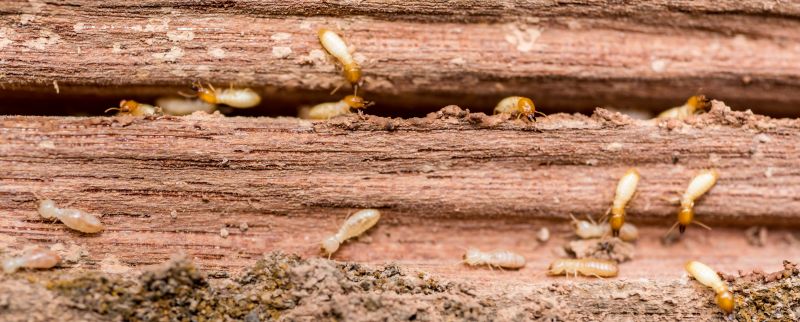
Commercial properties often have unique structural features and extensive layouts that make standard pest control methods insufficient for effective termite management. Because of these complexities, property owners in the area might seek out specialized treatment plans offered by local contractors who understand the intricacies of commercial buildings. These professionals can tailor their approaches to address the specific needs of large or multi-use spaces, ensuring that all areas vulnerable to termite activity are properly treated and protected.
Moreover, commercial termite control requires a strategic approach that considers ongoing protection and the potential impact on daily operations. Business owners may look for local service providers who have experience developing comprehensive treatment plans that integrate seamlessly into the property's routine. By working with specialists who understand the unique challenges of commercial environments, property managers can better ensure long-term termite prevention and minimize disruptions to their operations.
Why do commercial termite control treatments need to be customized? Commercial properties often have unique structures and materials that require tailored treatment plans to effectively eliminate termites without disrupting operations. Local contractors understand these complexities and can develop specialized strategies suited to each property.
What makes commercial termite control different from residential services? Commercial termite control involves larger-scale treatments and considerations for ongoing business activities, making standard methods insufficient. Local service providers have experience designing comprehensive plans that address the specific needs of commercial buildings.
How do local contractors ensure the effectiveness of specialized treatment plans? They assess the property's construction, identify termite activity, and choose appropriate treatment methods that target the infestation while minimizing impact on the business environment. This expertise helps ensure the treatment's success.
Why is it important to use a tailored approach for commercial termite control? Because commercial structures often have complex layouts and diverse materials, a one-size-fits-all approach may not fully address the infestation. Specialized treatment plans are necessary to effectively control termites in these settings.
How can local service providers help with the unique challenges of commercial termite control? They can evaluate the specific conditions of the property and design a treatment plan that considers structural features, business operations, and potential risks, ensuring a comprehensive and effective solution.
Understanding property complexity - Recognizing the unique features of commercial properties helps service providers develop effective treatment plans tailored to specific building structures.
Identifying infestation hotspots - Local contractors can assess high-risk areas within a property to focus treatment efforts where termites are most active.
Choosing appropriate treatment methods - Different structures and materials require specialized approaches, which local pros can recommend based on a property's design.
Implementing ongoing monitoring - Establishing a plan for regular inspections ensures that termite activity is detected early and managed effectively over time.
If you are thinking about why commercial termite control requires specialized treatment plans for a property, this guide is meant to help you understand this topic, the typical project types, and how different options might fit your plans.
When you are ready, you can use the quote form on this page to share a few details about your project. From there, local pros can review the basics and follow up with options that match what you have in mind.