How Termites Enter Homes and Commercial Structures
People seeking termite control aim to prevent and eliminate termites that enter homes and structures, and local contractors can provide expert services to protect your property.
Understanding how termites enter homes and commercial structures is essential for property owners seeking to protect their investments. These pests often find their way inside through small cracks in the foundation, gaps around utility lines, or even tiny vents that go unnoticed. Recognizing the common entry points can help property owners take proactive steps to prevent infestations. Local contractors specializing in termite control are well-versed in identifying these vulnerabilities and can provide targeted solutions to keep structures secure.
Exploring how termites gain access to buildings highlights the importance of early detection and professional intervention. Since these insects can silently cause significant damage once inside, property owners are encouraged to stay informed about potential entry routes. Connecting with experienced local service providers can offer tailored strategies to address existing issues and reduce the risk of future problems. Whether through inspection, treatment, or structural repairs, these experts can help maintain the integrity of both homes and commercial properties.
- Home Inspection - homeowners seeking to understand how termites enter homes can rely on local contractors to identify entry points during thorough inspections.
- Structural Treatment - when signs of termite activity are present, local service providers can apply targeted treatments to prevent further entry through common access points.
- Moisture Management - property owners experiencing moisture issues may need local pros to address conditions that attract termites and facilitate their entry.
- Barrier Installation - businesses looking to protect commercial structures can work with local contractors to set up physical or chemical barriers against termite entry points.
- Damage Repair - after detecting how termites enter structures, local pros can perform repairs to compromised wood and prevent future access.
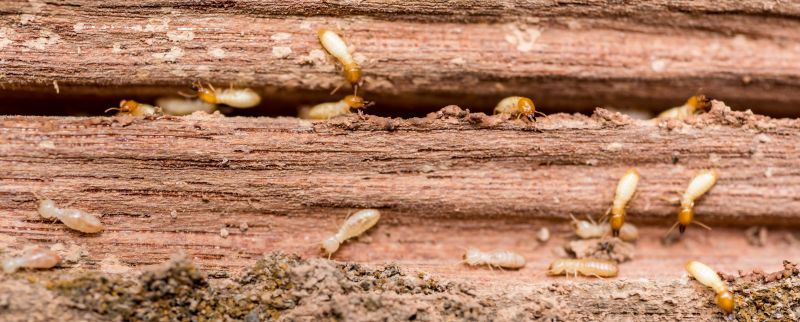
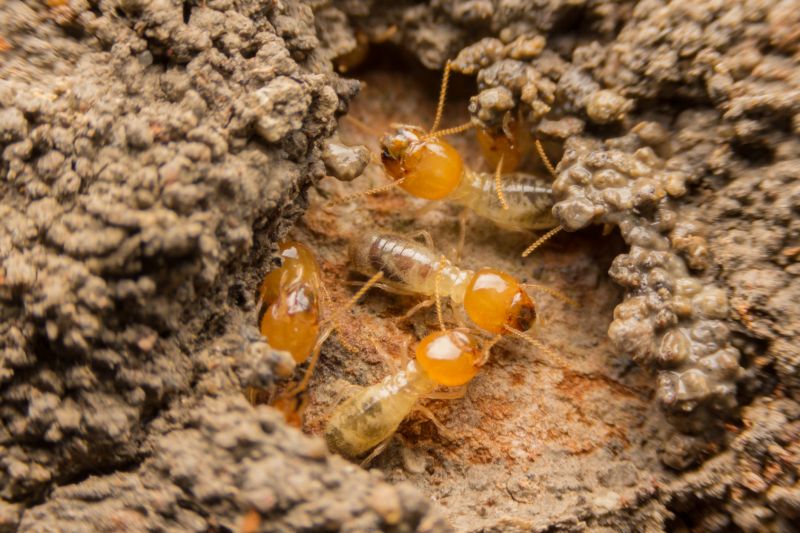
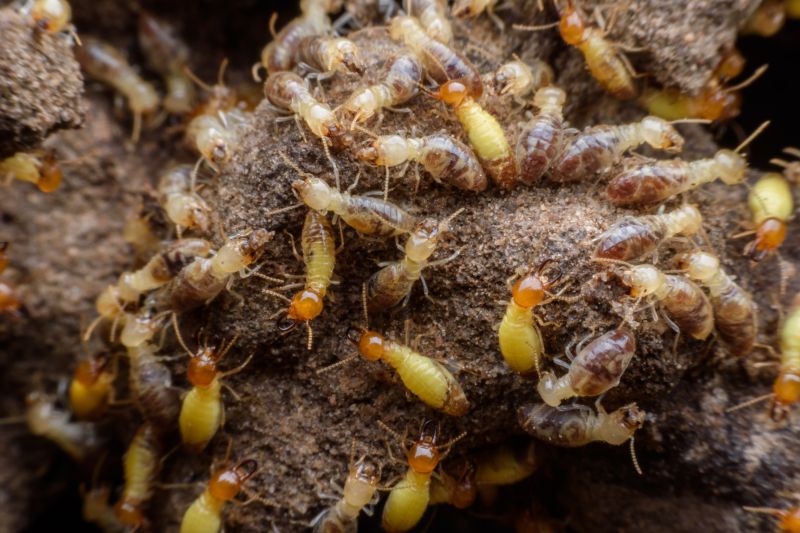
Understanding how termites enter homes and commercial structures is a common concern for property owners looking to prevent or address infestations. When people search this topic, they often want to learn about the specific entry points termites use to gain access indoors. This knowledge helps them identify vulnerabilities in their properties and take proactive steps to protect their investments. Many are also interested in understanding how these insects can silently invade without obvious signs, making early detection and prevention strategies crucial.
The problems associated with termites entering structures typically revolve around property damage and the potential for costly repairs. Property owners may be planning to purchase a new home or commercial building and want to assess the risk of termite intrusion beforehand. Others might be experiencing signs of an active infestation, such as damaged wood or mud tubes, and are seeking information on how termites are getting inside to better target treatment efforts. Local service providers specializing in termite control can help evaluate entry points and develop effective prevention or extermination plans based on how these pests access buildings.
Properties that are most vulnerable to termite entry often share common features. Homes with wooden structures, especially those with wood-to-ground contact, are prime targets. Commercial buildings with wooden framing, storage areas with untreated timber, or structures with cracks and openings in the foundation are also at risk. Additionally, properties located in areas with high termite activity or those surrounded by wood debris, trees, or mulch can be more susceptible. Understanding the typical entry points-such as cracks in foundations, gaps around utility lines, and damaged wood-helps property owners recognize where local pros should focus their inspections and treatments.
Local termite control service providers play a key role in addressing how termites enter homes and commercial structures. They can conduct thorough inspections to identify potential entry points and vulnerabilities, such as damaged wood, foundation cracks, or soil-to-wood contact. By understanding the common pathways termites use, these professionals can recommend targeted treatments and prevention methods to block access and eliminate existing colonies. Connecting with experienced local contractors ensures that property owners receive tailored solutions to protect their buildings from termite invasions, based on the specific ways these pests can infiltrate different types of properties.
Foundation Repair Projects - addressing structural issues related to moisture intrusion and cracks can help prevent termite entry points in homes and commercial buildings, requiring similar planning and inspection skills as termite control.
Moisture Management Services - controlling excess moisture around structures is crucial for termite prevention and involves techniques like drainage improvements and sealing, which are often handled by local contractors familiar with pest entry points.
Building Inspection Services - thorough inspections for structural vulnerabilities and wood damage align with identifying how termites can enter and infest buildings, making these services essential for effective pest management planning.
Structural Pest Control Treatments - applying barrier and soil treatments to protect buildings from pests shares methods with termite entry prevention, requiring expertise in pest behavior and treatment application.
Wood Damage Restoration - repairing and replacing damaged wood components involves understanding termite pathways and entry points, which are key considerations in pest prevention strategies.
Sealing and Weatherproofing Projects - sealing cracks, gaps, and entry points around structures directly relates to blocking pathways termites use to enter homes and commercial spaces, often performed by local service providers skilled in pest prevention.
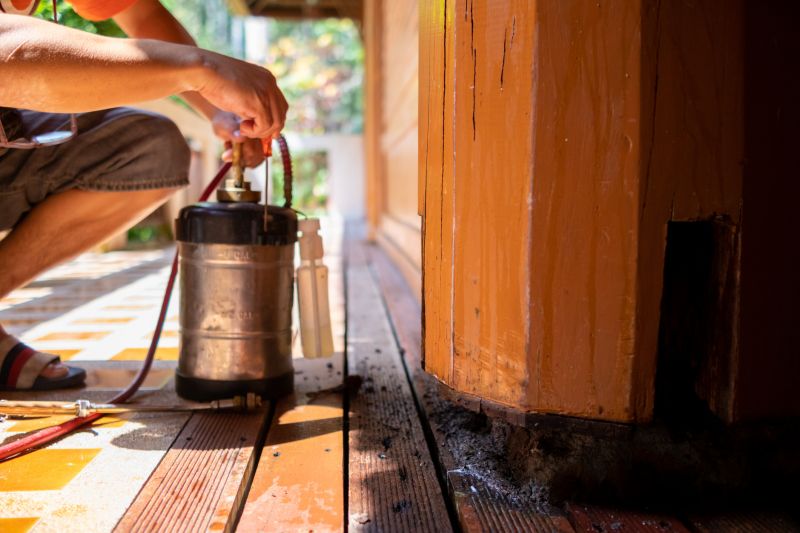
When comparing local contractors for termite control services, it is important to consider their experience with similar projects involving how termites enter homes and commercial structures. An experienced service provider will have a thorough understanding of common entry points such as cracks in the foundation, utility entry points, and wood-to-soil contact areas. Their familiarity with these typical pathways can contribute to more effective treatment plans. Homeowners should inquire about the contractor’s background in handling properties similar in size, construction type, and location to ensure they have practical knowledge relevant to the specific challenges of controlling termites in their environment.
Clear written expectations are essential when evaluating termite control service providers. A reputable contractor will provide detailed descriptions of the scope of work, methods used to identify entry points, and the treatment options available. This transparency helps homeowners understand what to expect and ensures that there is a mutual understanding of the services to be performed. Well-defined expectations can also prevent misunderstandings and facilitate a smoother process from initial inspection through to completion. When reviewing proposals or estimates, homeowners should look for clarity and completeness in the documentation provided by potential service providers.
Good communication and reputable references are key indicators of a trustworthy local contractor. Service providers who are responsive to questions, willing to explain their approach, and open about their methods demonstrate professionalism and a commitment to customer service. Additionally, seeking references or reviews from previous clients can provide insight into the contractor’s reliability and the quality of their work. Homeowners should feel comfortable asking for references or researching online reviews to verify that the contractor has a history of successful projects related to how termites enter homes and structures. This due diligence can help ensure that the chosen service provider is capable of effectively addressing termite entry points and implementing appropriate control measures.
Property owners often search for how termites enter homes and commercial structures when they are planning practical projects around their homes and businesses. Local pros provide Termite Control services for everyday jobs and straightforward project options.
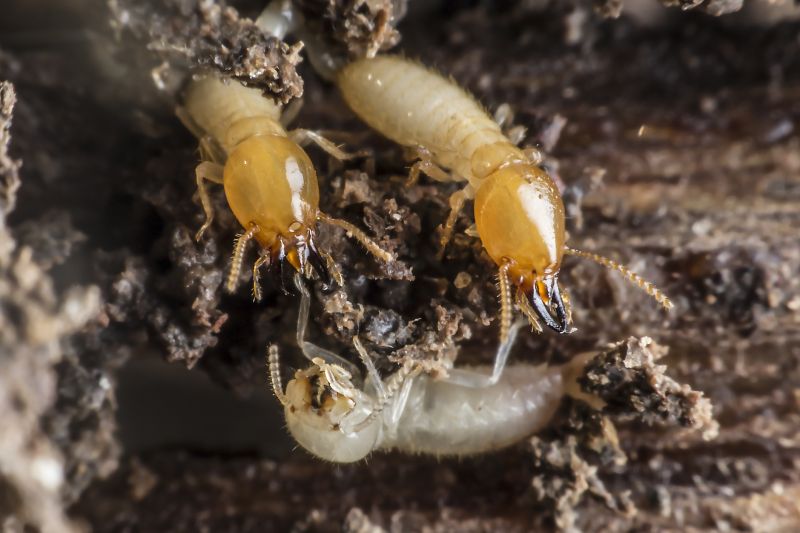
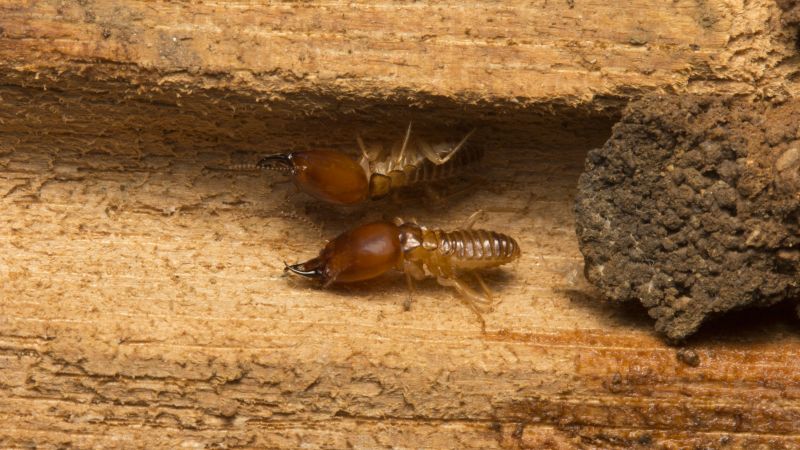
Understanding how termites enter homes and commercial structures is a common concern for property owners in the area. These pests typically find their way inside through small cracks in the foundation, gaps around utility lines, or openings around windows and doors. They can also gain access via wood that is in direct contact with the ground or by traveling along underground pathways such as soil or mulch. Recognizing these entry points helps property owners identify vulnerable areas that may require attention from local contractors specializing in termite control.
Many property owners look into termite control services after noticing signs of infestation or wanting to prevent future problems. Local service providers can assess the property for potential entry points and implement targeted treatments to eliminate existing colonies and reduce the risk of future invasions. Whether dealing with an active infestation or seeking preventative measures, connecting with experienced local contractors can provide the expertise needed to address how termites enter structures and protect the property effectively.
How do termites typically enter homes and commercial structures? Termites often enter through cracks in the foundation, gaps around doors and windows, or damaged siding, seeking access to wood and cellulose materials inside buildings.
What are common entry points for termites in buildings? Common entry points include soil contact with the structure, gaps around utility lines, and areas where the building's exterior has been compromised or is poorly sealed.
How can local contractors help prevent termite entry? Local service providers can inspect and identify potential entry points, recommend sealing or repairing vulnerabilities, and implement treatments to block termite access into structures.
Are termites attracted to specific areas of a building? Yes, termites are attracted to moist, wooden, or cellulose-rich areas, such as basements, crawl spaces, and areas with wood-to-ground contact, which can facilitate their entry.
What signs indicate termites might be entering a building? Signs include mud tubes along foundations, damaged wood, discarded wings, and small holes in wood surfaces, prompting inspections by local pros to determine entry points.
Identifying entry points - property owners can inspect foundations, windows, and door frames to spot potential access points for termites and then have local contractors seal these areas.
Managing wood-to-soil contact - keeping wood structures elevated and away from soil can prevent termites from finding easy entry, with local pros providing advice on proper landscaping.
Controlling moisture levels - reducing excess moisture around a property can make it less attractive to termites, and local service providers can recommend effective drainage solutions.
Inspecting and repairing damaged wood - early detection of wood damage can prevent further infestations, with local contractors offering thorough inspections and treatment options.
If you are thinking about how termites enter homes and commercial structures for a property, this guide is meant to help you understand this topic, the typical project types, and how different options might fit your plans.
When you are ready, you can use the quote form on this page to share a few details about your project. From there, local pros can review the basics and follow up with options that match what you have in mind.